Mastering Time in Range: How Continuous Glucose Monitors Give Type 2 Diabetes Patients 5 More Healthy Hours Every Day
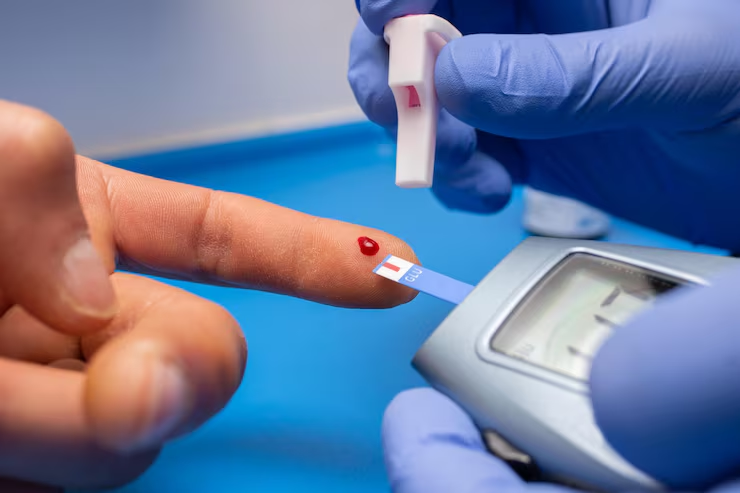
Continuous glucose monitor sensor used to track blood sugar levels in a person with type 2 diabetes

For decades, the gold standard for monitoring type 2 diabetes management was the Hemoglobin A1c (HbA1c) test. Conducted every three to six months in a laboratory setting, the A1c provides a single average number representing blood glucose control over the preceding 90 days. However, averages can be notoriously misleading. An individual who swings wildly between … Read more

The Internal Collapse: How Tumor Mechanical Pressure Triggers Cancer Cell Self-Destruction and Stems Metastasis

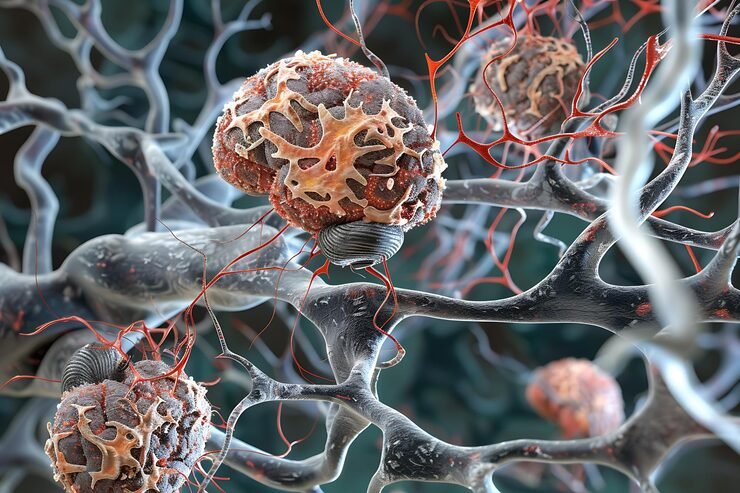
Medical illustration showing mechanical pressure inside a solid tumor and its effects on cancer cells

In the long-standing medical consensus surrounding oncology, fluid pressure inside a solid tumor was universally viewed as a dangerous adversary. Known as elevated interstitial fluid pressure (IFP), this mechanical force was historically linked to therapeutic resistance: high internal pressure pushed chemotherapy drugs away, compressed surrounding blood vessels, starved tissues of oxygen, and encouraged malignant cells … Read more

Engineering Arterial Elasticity: How Targeted Exercise Interventions Lower Blood Pressure in Hypertension

Person exercising to help manage high blood pressure naturally

Hypertension defined as a sustained elevation in systemic arterial pressure ($\ge 130/80\text{ mmHg}$ under current American College of Cardiology/American Heart Association guidelines)—affects over 1.2 billion adults globally. Known as the “silent killer,” chronic high blood pressure drives vascular remodeling, accelerates arterial stiffness, and serves as a leading risk factor for stroke, myocardial infarction, renal failure, … Read more

The Gender Gap in Human Pain: Why Women Report Higher Pain Across 11 Body Regions and How Science Explains It

Women experiencing pain and medical research on gender differences in pain perception

For generations, discussions surrounding pain perception were dominated by cultural stereotypes, anecdotal claims, and biased medical assumptions. Pain was often dismissed as subjective, emotional, or poorly quantified. However, a landmark global study investigating pain distribution across the human lifespan has delivered definitive epidemiological evidence: women report significantly higher levels of pain than men across all … Read more

Shielding the Future: Everything You Need to Know About HPV Vaccination Recommendations

HPV vaccine for preventing cervical cancer and other HPV related cancers

Human Papillomavirus (HPV) is the most common sexually transmitted infection globally. It is so ubiquitous that approximately $80\%$ of sexually active individuals will contract at least one strain of the virus at some point in their lives. While the majority of HPV infections clear spontaneously without causing symptoms, persistent high-risk strains are directly responsible for … Read more

Beyond the Bicep: How a Popular Fitness Supplement Protects the Brain from Gut-Driven Inflammation

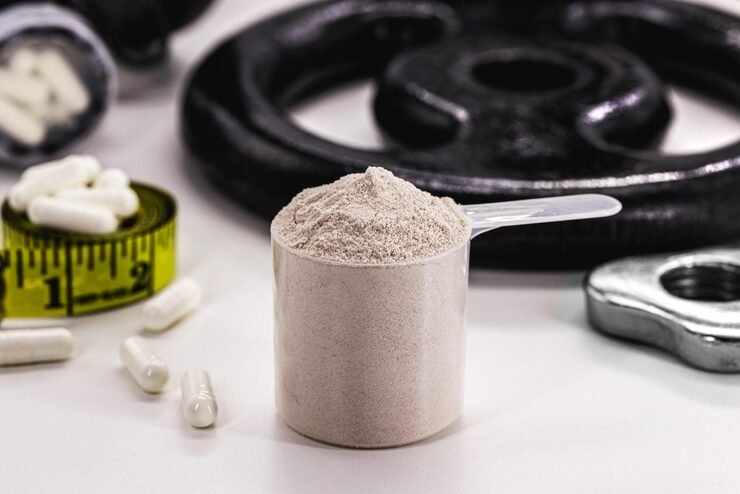
Creatine monohydrate supplement with a scientific illustration of the brain and gut microbiome, highlighting research into creatine, brain health and gut-related inflammation.

When you walk into a fitness store or browse sports nutrition sites, creatine monohydrate is almost universally advertised as a tool for muscle size, explosive bench press performance, and sprinting power. Millions of athletes and fitness enthusiasts scoop this well-studied compound into their post-workout shakes every day to replenish adenosine triphosphate (ATP) in working skeletal … Read more

The Pre-Meal Miracle: How Olive Oil Before Carbs Transformed Blood Sugar Responses in Landmark Study

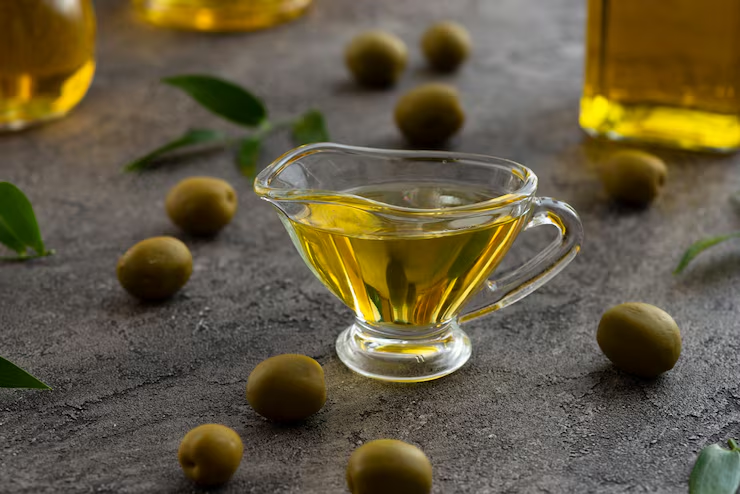
Extra virgin olive oil served with carbohydrate-rich foods, illustrating research into how consuming olive oil before meals may affect post-meal blood sugar responses.

For anyone navigating prediabetes, type 2 diabetes, or everyday energy crashes, carbohydrate intake often feels like a dietary tightrope walk. A plate of pasta, a bowl of white rice, or a slice of fresh bread typically triggers a rapid spike in blood glucose, followed by a surge of pancreatic insulin and a predictable mid-afternoon energy … Read more

The Cellular Fuel of Longevity: Can NAD+ Supplements Help Us Age More Healthily?

Scientific illustration of NAD+ molecules and cellular mitochondria highlighting research into energy production, healthy aging and longevity.

For decades, the search for a way to extend human youth focused on superficial fixes—wrinkle creams, topical serums, and quick-fix detoxes. Today, modern geroscience has shifted its attention to the microscopic engine driving cellular health: Nicotinamide Adenine Dinucleotide (NAD+). NAD+ is a critical coenzyme found in every living cell, responsible for turning nutrients into biological … Read more

The Ultimate Breakfast Upgrade: The #1 Oatmeal Topping Dietitians Recommend for Brain, Heart, and Gut Health

Healthy oatmeal breakfast bowl topped with walnuts, fresh blueberries and chia seeds for supporting brain, heart and gut health.

Oatmeal has long earned its status as a breakfast staple. Rich in soluble fiber, complex carbohydrates, and essential micronutrients, a warm bowl of rolled or steel-cut oats offers a solid foundation for morning nutrition. However, plain oats alone represent only half of their potential. The true secret to transforming a simple bowl of oatmeal into … Read more

The Calorie Equation Rewritten: How Your Gut Microbiome Dictates Energy Harvesting and Weight Regulation

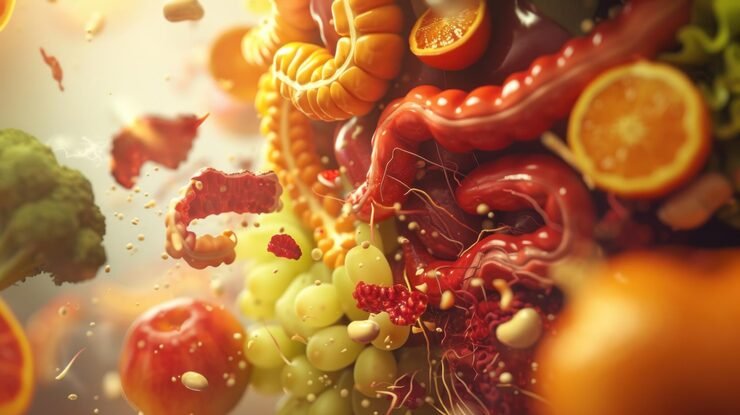
Gut microbiome illustration showing how intestinal bacteria influence calorie absorption, energy metabolism and body weight regulation.

For over a century, weight management models have operated under a deceptively simple mathematical equation: Calories In versus Calories Out. According to traditional nutritional science, a calorie is a calorie. If two people consume an identical 2,000-calorie meal plan, standard thermodynamic models predict they should absorb the exact same amount of energy. However, clinical gastroenterology … Read more